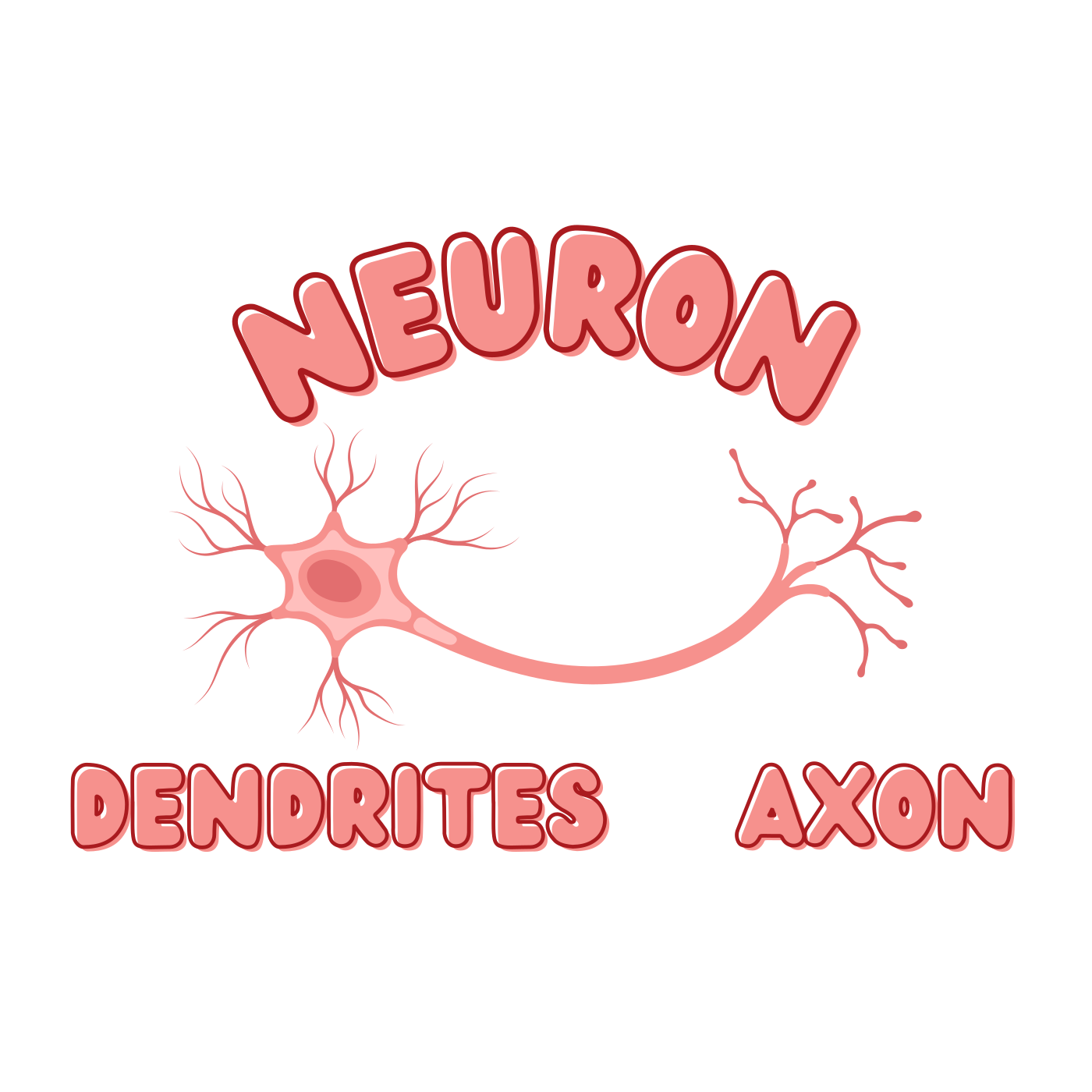
Your brain contains hundreds of billions of specialized cells called neurons3. Each neuron communicates with other neurons through extensions of its cytoplasm:
- Dendrites on one side, which gather information, and an axon on the other side, which sends information to other targets.
- Axons make synaptic connections with other neurons, glia, muscles, and more.
When you learn, you are forming new synaptic connections and strengthening or altering existing connections. This restructuring is referred to as neural plasticity. The process of learning creates lasting changes in synaptic connections, neurotransmitter receptors, and neurotransmitter release4 (such as dopamine and acetylcholine), resulting in new behaviors and the ability to use new knowledge.
The creation and storage of these lasting neuronal connections are what we think of as memory. Memory is essentially a string of electrical connections.
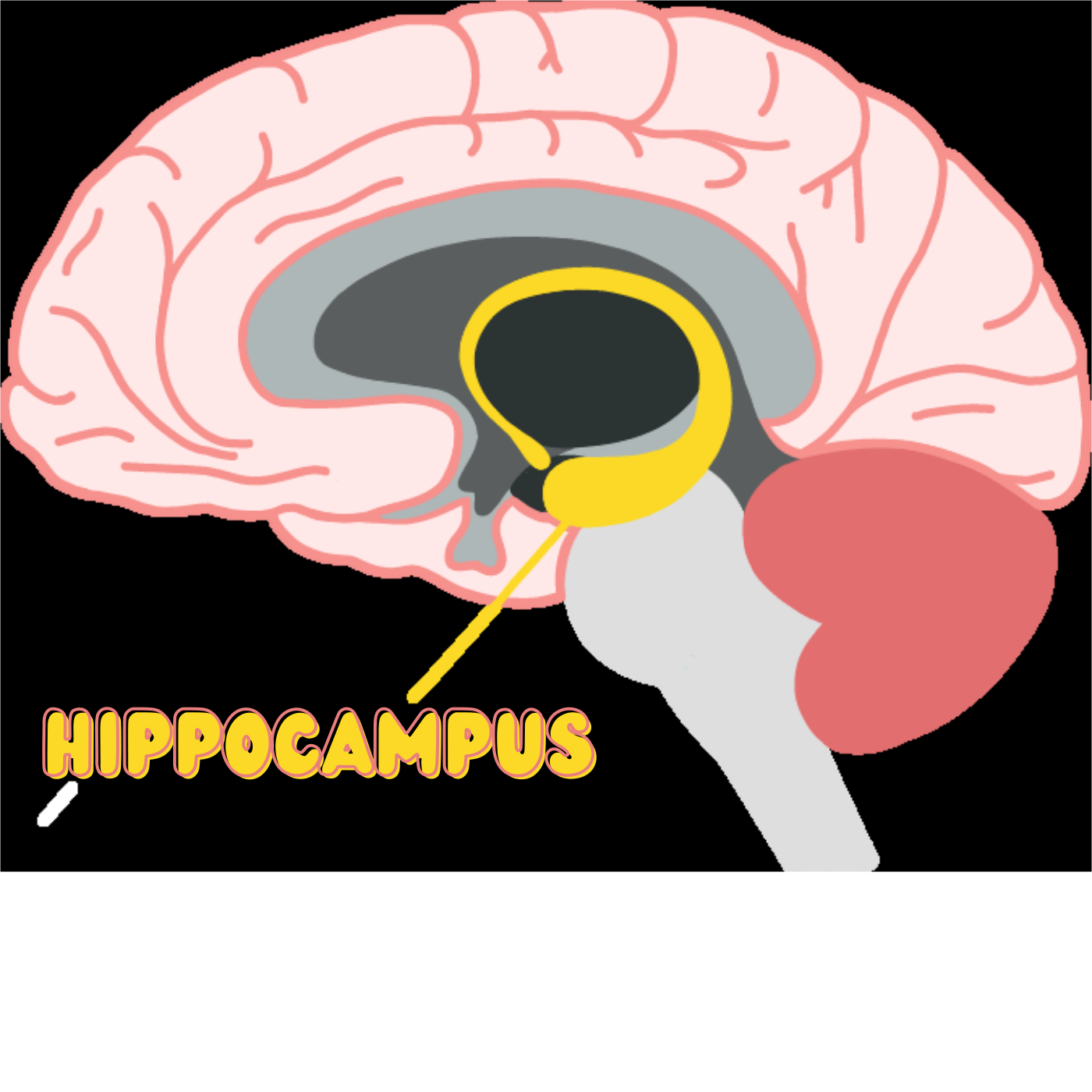
A brain region called the hippocampus is responsible for storing this series of information, and when we retrieve information, we are remembering.
There is a lot more detail to this process, but fundamentally, the stored connections between neurons is what learning is all about. Cognitive scientists, psychologists, neuroscientists, and educators have been studying the process of learning for centuries5,6! In the Cycle of Learning, we share some of these principles with you.